|
Female Infertility
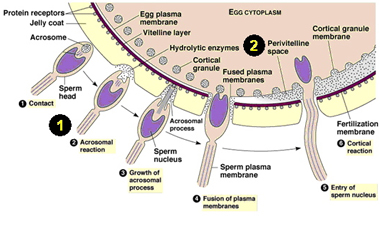
In vitro fertilization and embryo transfer (IVF-ET) is a powerful fertility tool which involves the collection of ripe eggs from the woman's body in order to achieve fertilization outside of the body, followed by transfer into the woman's womb. It is important to note that in routine IVF, fertilization is achieved by natural means. Although the laboratory conditions are carefully monitored to mimic the human body, fertilization itself is achieved without any other intervention.
|
IVF and embryo transfer resulted in the birth of the world's first "test tube baby" in 1978 as a result of the extended efforts of Drs. Robert Edwards and Patrick Steptoe in Cambridge, England. IVF was first utilized as a fertility treatment to overcome blocked fallopian tubes. In fact, the world's first test tube baby was born from a woman whose fallopian tubes had both been removed because of prior tubal pregnancies.
IVF is such a powerful fertility treatment that it can be used for virtually any form of infertility, providing satisfactory eggs are obtained, sperm function is adequate, and the uterus provides an appropriate site for the growth of the baby. Indeed, in vitro fertilization can be used for infertility due to endometriosis, ovulatory problems, pelvic adhesions, blocked tubes, luteal defects, cervical factor, sperm allergy, male factor and unexplained infertility
Male Infertility
Male reproductive dysfunction is an increasingly important factor in the etiology of infertility. Sperm dysfunction is often an unrecognized abnormality in men with unexplained infertility.
An increasing number of research studies suggest that an important link may exist between a man’s exposure to environmental oxidants and phytoestrogens, and the subsequent development of sperm dysfunction. Exposure to these substances is both widespread and commonplace in modern industrial societies. Phytoestrogens and environmental oxidants are found in surprisingly diverse locations including: pesticides, fuel emissions, plastic products, processed foods, chlorinated and fluorinated water, solvents, and tobacco. As recently as March 2004 a team of Belfast researchers emphasized that phytoestrogenic soy compounds, contained in many processed foods, may be a major factor in male infertility.
Four years ago Don Everson Ph.D. reported on the efficacy of a chromatin assay to detect abnormal fragmentation of sperm DNA. The DNA fragmentation index, or “DFI”, has been shown to be clinically useful in predicting fertility potential following both natural attempts at conception as well as with IVF and other assisted reproductive technologies. Although decreased motility may be somewhat predictive of DNA fragmentation, there appears to be no single sperm parameter which can reliably predict an abnormal DFI. Sperm DNA fragmentation is believed to be due to oxidative stress. Oxidative stress with the production of free radicals damages the sperm membrane and subsequently impairs motility and the integrity of membrane-based fertilizing events. The sperm chromatin assay allows measurement of abnormally high DNA stainability (“HDS”). Abnormal elevations of HDS due to lack of chromatin condensation may warrant early intervention with assisted fertilization techniques such as ISCI. |